

Earth-Rite® II Range
Static earthing and interlock systems
What are Earth-Rite® II static earthing systems?
The Earth-Rite® II range of static earthing and interlock systems provides the most comprehensive layers of protection from electrostatic ignition hazards.
How does the Earth-Rite® II earthing system work?
All of our Earth-Rite® II systems contain proven electronics that have provided features for users for many years. Some of these features include:
- Monitoring of the resistance between metallic equipment requiring static earthing protection and the site’s designated earthing point.
- Three high intensity flashing green LED indicators for operator visual verification, and;
- Internal volt-free contacts that can automatically control the flow of product or additional attention-grabbing devices.
- Earth-Rite® II systems also have an option to switch an intrinsically safe signal or power supply.
Earth Verification
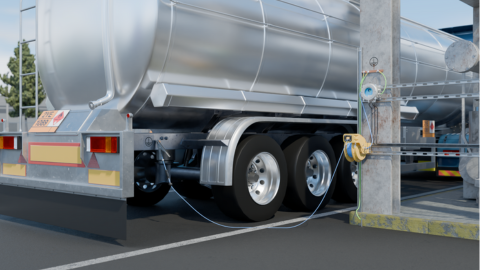
The Earth-Rite® RTR and Earth-Rite® MGV systems detect the capacitance of a typical road tanker and provide true earth verification.
Continuous Monitoring
Continuous monitoring of metallic objects with a 10 ohms or less connection to the verified site earth.
Interlock to Process
Ensures a permissive condition for interlocked equipment when a earth connection is established.
Earthing Clamps
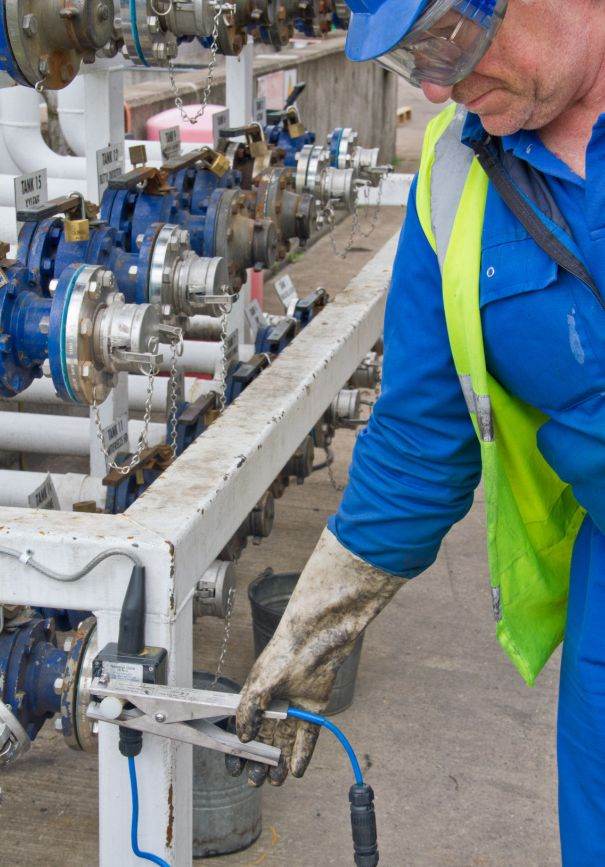
ATEX/IECEx/FM approved heavy-duty earthing clamps to ensure a good connection to the metal object through paint, rust, and product deposits.
What is the difference between earthing and bonding?
Earthing requires a physical connection to Earth via a circuit, whereas bonding does not require a physical connection to the Earth.
What is static earthing?
Static earthing clamps/systems bond the object to earth. Earthing systems are designed so that static charge generated on the object has a path to Earth. This is a requirement for facilities operating within hazardous areas, protecting personnel and plant assets from explosions or fires.
What is bonding?
Bonding equalises the charge on two metal objects by connecting them together.
What is an interlock system?
Interlock devices allow the system to automatically control the process if the connection to the verified earth is lost. They require certain actions to be carried out in a specific sequence. This assists in reducing potential human error and helps keep plant workers safe during loading/unloading processes and mitigating the risk of accidents.